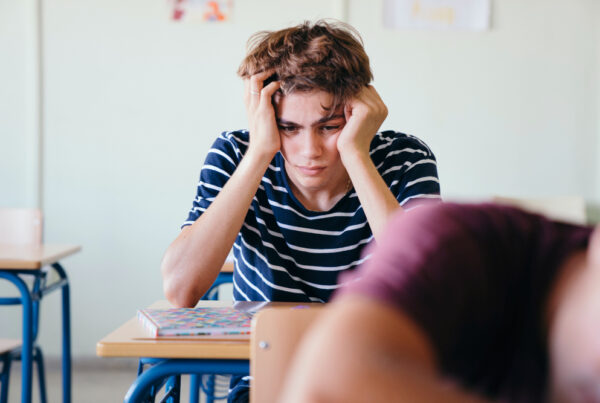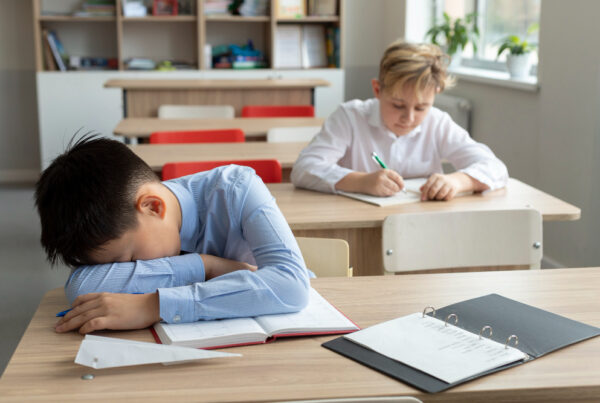
A racing heart before a tryout, shaky hands before a presentation, or butterflies before a performance can be a normal response to doing something important.
A certain amount of nervous energy may even help a teenager focus. The problem begins when fear becomes so intense that the teenager avoids opportunities, cannot use skills they have practiced, or experiences significant distress long before or after the event.
Performance anxiety can occur during:
- Sports tryouts
- Games, races, or meets
- Music and theater performances
- Class presentations
- Tests
- Debates
- Interviews
- Auditions
- Other situations involving evaluation
It may occur only in one setting or be part of broader social anxiety, generalized anxiety, panic symptoms, perfectionism, or depression.
What Performance Anxiety Can Look Like
A teenager experiencing performance anxiety may have:
- Nausea or stomachaches
- Shaking or sweating
- Dizziness or shortness of breath
- A racing heart
- Difficulty eating before the event
- Trouble sleeping
- Irritability
- Repeated reassurance-seeking
- A feeling of going mentally blank
- Excessive preparation without ever feeling ready
- Harsh self-criticism after small mistakes
- A desire to quit or avoid participating
The teenager may believe one performance will determine their friendships, identity, college prospects, or future success.
Why the Pressure Can Feel So High
High school students frequently perform in front of peers during a developmental period when belonging and social evaluation feel particularly important.
Social media, rankings, highlight reels, grades, recruiting, and adult expectations can make one event feel like a permanent verdict.
Perfectionistic teenagers may interpret normal nerves as proof that they are unprepared. They focus on preventing mistakes instead of performing the task.
Some teenagers also become anxious about the symptoms themselves:
“What if my voice shakes?”
“What if I forget what to say?”
“What if everyone sees me panic?”
That second layer of fear can intensify the physical symptoms.
Practice the Situation, Not Just the Skill
A student who knows the material may still need to practice standing, projecting their voice, using slides, answering questions, and recovering after losing their place.
An athlete may benefit from practicing under simulated tryout conditions rather than only completing drills privately.
Rehearsal should gradually resemble the actual performance environment.
The goal is not to guarantee that the teenager feels completely calm. The goal is to help the teenager act effectively even while feeling nervous.
Create a Simple Pre-Performance Routine
A routine should be short enough to remember under pressure.
It might include:
- Arriving with enough time to prepare
- Taking several slow breaths
- Noticing physical sensations without fighting them
- Reviewing one or two process-focused reminders
- Beginning the activity despite the anxiety
The teenager does not need to wait until the anxiety disappears before participating.
Shift the Focus From Outcome to Process
Outcome goals depend partly on coaches, judges, classmates, competitors, and circumstances.
Process goals focus on actions the teenager can control.
Examples include:
- Making eye contact with three areas of the room
- Starting with a strong opening sentence
- Completing the warm-up routine
- Running the first section at the planned pace
- Communicating clearly with teammates
- Resetting after making a mistake
Protect the Basics
Sleep, consistent meals, hydration, and reasonable training or study schedules all matter.
Excessive caffeine, energy drinks, last-minute cramming, and late-night practice can intensify the physical symptoms of anxiety.
How Parents Can Respond
Parents can help by:
- Acknowledging the fear without predicting failure
- Avoiding promises of a perfect outcome
- Asking whether the teenager wants listening, planning, practice, or space
- Limiting conversations about rankings, scholarships, or selection
- Praising preparation, courage, flexibility, and recovery
- Keeping the post-event analysis brief unless the teenager wants to talk
- Avoiding public criticism or surprise exposure
Instead of saying, “You’ve practiced, so there’s no reason to be nervous,” try:
“It makes sense that you’re nervous because this matters to you. What is one thing you can focus on that is under your control?”
When Anxiety Needs More Support
Professional support may be helpful when a teenager:
- Repeatedly avoids important activities
- Experiences panic symptoms
- Cannot attend school
- Loses sleep for extended periods
- Relies on substances to cope
- Experiences anxiety across many settings
- Becomes depressed or hopeless
- Cannot function despite preparation and family support
Therapy can teach teenagers to understand physical anxiety, change unhelpful thinking patterns, tolerate imperfection, and gradually approach feared situations.
A psychiatric evaluation may be considered when symptoms are severe, persistent, or not improving adequately through therapy.
How Solstice Healthcare Can Help
Solstice Healthcare provides therapy for patients ages 10 and older. When a psychiatric evaluation or medication management is appropriate, the therapist and psychiatric provider collaborate as part of one comprehensive treatment team.
Secure telehealth appointments make it easier for teenagers and families to receive consistent care around school, activities, and family schedules.
Solstice Healthcare provides secure telehealth mental health care for patients located throughout Connecticut and Colorado.